


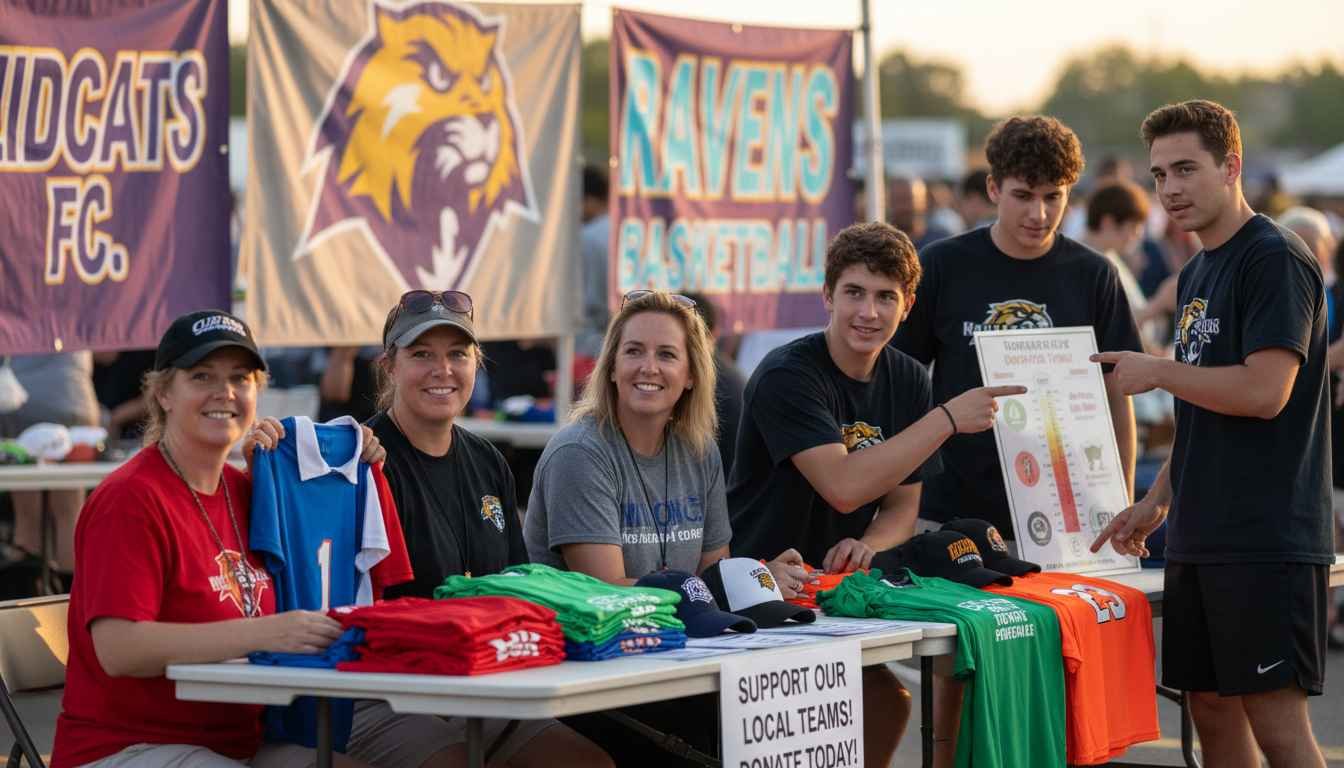
It’s time to wake up. Every season, countless sports teams struggle to keep their programs alive, not because of lack of talent or dedication, but simply due to limited funding. From uniforms and equipment to travel expenses and tournament fees, the financial demands can quickly overwhelm even the most passionate programs. For coaches, parents, and community supporters, learning how to effectively ask for donations is no longer optional – it’s essential.
Over the years, I’ve observed hundreds of teams navigate this challenge. The most successful ones do not rely solely on one-off contributions or sporadic fundraisers. They approach fundraising with a structured plan, understanding their audience, and crafting a message that resonates emotionally and practically. This curated guide draws from proven strategies, real-world case studies, and insights from fundraising experts to provide a roadmap for sports programs of any level.
Understanding the Importance of Donations
Donations are the lifeblood of many sports programs. While sponsorships and ticket sales contribute, they rarely cover the full cost of running a team. Donations can fund essential equipment, cover registration fees, support travel expenses, and create opportunities for athletes who might otherwise be left behind. Importantly, donations strengthen community engagement. When families, alumni, and local businesses contribute, they are not just giving money – they are investing in the growth and success of the players and the broader program.
Evaluating the success of donation campaigns involves examining both quantitative and qualitative metrics. Quantitative measures include the total funds raised, donor retention rates, and the frequency of contributions. Qualitative feedback, such as community sentiment and player satisfaction, helps ensure that fundraising efforts align with team values and long-term goals.
Crafting an Effective Donation Request
The first step in asking for donations is understanding your audience. Who are you targeting? Local businesses, alumni, parents, or community organizations each respond to different approaches. Tailoring your message to highlight how donations make a tangible impact increases engagement. For example, instead of asking for a general donation, specify that $50 covers a full set of practice jerseys or $200 funds travel to an out-of-state tournament.
Storytelling is a powerful tool in fundraising. Sharing a player’s journey, a team’s history, or a memorable season highlight can create emotional resonance. This method not only encourages donations but also strengthens the team’s identity and community ties. Visual elements such as photos, videos, or social media highlights further enhance your appeal.
One effective strategy is setting clear goals. Outline exactly what the team needs and by when. Transparency builds trust and motivates donors. Additionally, acknowledging contributions publicly – through newsletters, social media, or community events – reinforces the value of each donation and encourages repeat support.
Practical Methods for Soliciting Donations
There are multiple channels for raising funds, each with unique advantages. Traditional approaches such as direct mail campaigns and in-person appeals are still relevant, particularly for local supporters who value personal connection. Online platforms, including crowdfunding websites and social media campaigns, offer a broader reach and real-time engagement.
Throughout the history of sports, certain color combinations have come to symbolize the spirit, pride, and tenacity of teams and their fans. Among these, orange and black sports teams stand out for their bold aesthetic and rich tradition. From college football to professional leagues, these colors evoke a sense of community and loyalty that transcends generations. Fans don their team colors with pride, creating a vibrant atmosphere that enhances the excitement of games and rivalries. In this article, we will explore the reasons behind the lasting appeal of orange and black sports teams, delving into their historical significance and the passionate fan base that supports them. Whether it’s the thrill of a touchdown or the roar of a crowd, these colors represent much more than just a team; they embody a shared identity and culture that continues to thrive today.
Community events can double as fundraisers. Hosting a skills clinic, tournament, or exhibition game allows donors to witness the team in action while contributing to a meaningful cause. Partnering with local businesses for sponsorships or matching donations also amplifies impact, creating a win-win for the team and the community.
For example, in a recent season, a mid-sized high school football team raised over $15,000 by combining online crowdfunding with a community sports day event. Clear goals, compelling storytelling, and multiple donation avenues proved to be a successful mix. Learning from such cases can help teams avoid pitfalls and maximize results.
Common Mistakes in Asking for Donations
Not all fundraising efforts succeed. Common mistakes include vague messaging, lack of follow-up, and failing to demonstrate the impact of donations. Over-reliance on a single method, such as only requesting money via email, limits reach. Ignoring donor engagement, such as neglecting thank-you notes or updates, can result in low retention. Always diversify your approaches and maintain consistent, meaningful communication.
Who Should Avoid This or Potential Drawbacks
While fundraising is beneficial for most programs, some situations warrant caution. If a team is under strict legal or organizational constraints, public solicitation of donations may require approval. Additionally, over-reliance on external donations without proper financial planning can create sustainability risks. It is crucial to balance fundraising with budget management to avoid dependency on unpredictable contributions.
Maintaining Donor Relationships
Successful fundraising does not end with receiving donations. Building lasting relationships with supporters ensures continued engagement and future contributions. Regular updates on team progress, personal thank-you messages, and recognition events foster loyalty. Implementing a donor management system helps track contributions, schedule follow-ups, and personalize communication.
For programs looking to refine their approach further, resources from industry experts such as Jeff Nippard Fitness provide actionable strategies to optimize performance and organizational efficiency. While his platform primarily focuses on fitness, the principles of structured planning, consistent communication, and data-driven decision-making translate effectively to fundraising management.
Long-Term Fundraising Strategy
Rather than chasing one-off donations, aim for a long-term strategy that sustains the program year after year. This includes developing a diversified funding portfolio, cultivating relationships with recurring donors, and creating a culture of giving within the community. Tracking outcomes and continuously adapting methods based on performance metrics ensures the program remains resilient and self-sufficient.
Finally, encourage team members themselves to participate in fundraising efforts. Empowering athletes to share their own stories, engage with supporters, and contribute ideas builds ownership and strengthens community ties. A program that feels collective in both effort and reward is more likely to thrive.
By approaching donation requests strategically, authentically, and with clear goals, sports programs can not only survive but flourish. The combination of community engagement, transparent communication, and consistent effort creates a sustainable path forward for teams at every level.
