


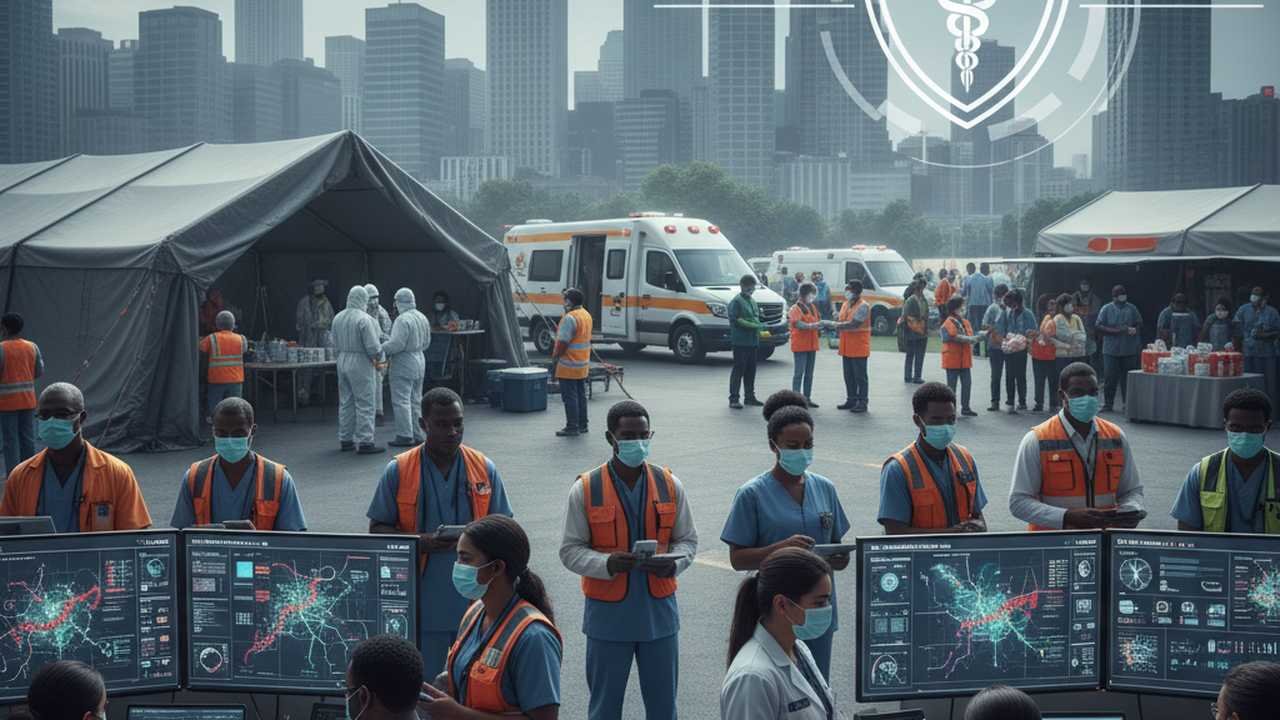
In the blink of an eye, the world can change. A sudden outbreak, a natural disaster, or an unforeseen crisis can send shockwaves through communities, leaving lives hanging in the balance. Yet, amidst the chaos, there exists a lifeline – emergency preparedness plans. These meticulously crafted strategies are not just bureaucratic paperwork; they are the difference between life and death, chaos and order, despair and hope. As we stand on the precipice of an unpredictable future, the urgency to understand and implement these plans has never been greater.
The Silent Architects of Survival
Imagine a bustling city suddenly plunged into darkness. Hospitals overwhelmed with patients, roads blocked, and communication lines severed. In such a scenario, emergency preparedness plans act as silent architects, designing pathways through the rubble. These plans are the culmination of years of research, simulations, and real-world applications. They encompass evacuation routes, medical triage procedures, communication protocols, and resource allocations. Their primary goal? To ensure that when disaster strikes, there is a blueprint to follow, minimizing confusion and maximizing survival chances.
Real-world examples underscore their significance. During the 2014 Ebola outbreak in West Africa, countries with pre-existing emergency preparedness frameworks were able to respond more swiftly and effectively. They had trained personnel, established communication channels, and stockpiled essential supplies. In contrast, regions lacking such plans faced insurmountable challenges, leading to higher mortality rates and prolonged crises. This stark contrast highlights the undeniable truth: preparedness saves lives.
Education: The Cornerstone of Crisis Management
At the heart of every effective emergency response lies education. It’s not just about having a plan; it’s about ensuring that every individual knows their role when the alarm sounds. Training programs, simulations, and community workshops are vital components of this educational framework. They transform ordinary citizens into first responders, capable of making critical decisions under pressure.
Studies have shown that communities with robust disaster education programs experience lower injury and mortality rates during crises. For instance, in Japan, regular earthquake drills and public education campaigns have cultivated a culture of preparedness, leading to remarkable resilience during seismic events. This emphasis on education underscores the principle that knowledge is not just power; it’s survival.
The Psychological Armor Against Disaster
Crises are not just physical events; they are psychological assaults on the human psyche. The trauma of loss, the fear of the unknown, and the stress of uncertainty can cripple even the most resilient individuals. Herein lies the importance of integrating psychological support into emergency preparedness plans. Providing mental health resources, counseling services, and stress-relief strategies can significantly mitigate the emotional toll of disasters.
In the aftermath of Hurricane Katrina, many survivors reported that the lack of psychological support exacerbated their trauma. Recognizing this, modern preparedness plans now incorporate mental health services as integral components. By addressing both the physical and emotional needs of affected populations, these plans foster a more holistic approach to crisis management.
Infrastructure: Building Resilience from the Ground Up
The strength of a community during a crisis is often determined by the resilience of its infrastructure. Roads, bridges, hospitals, and communication networks form the backbone of emergency response efforts. Ensuring that these structures are robust, well-maintained, and adaptable is paramount. Retrofitting buildings to withstand earthquakes, upgrading drainage systems to prevent flooding, and enhancing power grids to remain operational during outages are just a few examples of proactive measures.
In the 2011 earthquake and tsunami in Japan, the country’s investment in resilient infrastructure played a pivotal role in minimizing damage and facilitating swift recovery. Communities with fortified buildings and redundant systems experienced fewer casualties and were able to resume normalcy more rapidly. This underscores the critical need for forward-thinking infrastructure planning in emergency preparedness.
Supply Chains: The Lifelines of Crisis Response
When disaster strikes, the flow of essential supplies becomes a matter of life and death. Food, water, medications, and medical equipment must reach affected areas promptly and efficiently. Emergency preparedness plans meticulously map out supply chains, identifying potential bottlenecks and establishing alternative routes. They also involve stockpiling critical resources in strategic locations to ensure availability when needed most.
During the COVID-19 pandemic, regions with well-organized supply chains were able to distribute vaccines, personal protective equipment, and other necessities more effectively. In contrast, areas with fragmented or underdeveloped systems faced shortages and delays, prolonging the crisis. This highlights the indispensable role of logistics in emergency preparedness.
Community Engagement: Strengthening the Social Fabric
Communities are not mere collections of individuals; they are interconnected networks of relationships, shared histories, and collective identities. Engaging community members in the development and execution of emergency preparedness plans strengthens these bonds and enhances resilience. Volunteer programs, neighborhood watch initiatives, and local training sessions empower individuals to take ownership of their safety and well-being.
In the aftermath of the 2010 earthquake in Haiti, community-led response efforts were instrumental in providing immediate relief. Local knowledge, networks, and trust facilitated rapid distribution of aid and support. This exemplifies the power of community engagement in crisis situations.
Technology: The Modern Sentinel
In today’s digital age, technology serves as a force multiplier in emergency preparedness. Early warning systems, real-time communication platforms, and data analytics enable responders to make informed decisions swiftly. Drones can assess damage in inaccessible areas, while mobile apps can disseminate critical information to the public. The integration of technology into preparedness plans enhances situational awareness and coordination.
During the 2017 hurricanes in the Caribbean, the use of satellite imagery and mobile communication tools allowed for timely evacuations and efficient deployment of resources. These technological advancements underscore the evolving nature of crisis management in the 21st century.
Policy and Governance: The Framework for Action
Effective emergency preparedness transcends individual efforts; it requires cohesive policies and governance structures. Governments play a pivotal role in establishing regulations, allocating resources, and coordinating response efforts. International collaborations, such as the World Health Organization’s Health Emergency Response Framework, provide guidelines and support to nations in enhancing their preparedness capabilities.
The 2003 SARS outbreak highlighted the importance of international cooperation in managing health crises. Countries that adhered to WHO guidelines and collaborated on research and response strategies were more successful in containing the spread of the virus. This illustrates the significance of policy and governance in shaping effective emergency preparedness.
Conclusion: The Imperative of Preparedness
As we navigate an increasingly unpredictable world, the importance of emergency preparedness cannot be overstated. It is not a matter of if a crisis will occur, but when. The lives of countless individuals depend on the foresight, planning, and execution of comprehensive preparedness strategies. From education and infrastructure to technology and governance, every facet plays a crucial role in safeguarding communities.
Now is the time to act. Delaying preparedness is not an option. Communities, organizations, and individuals must come together to develop, implement, and continually update emergency preparedness plans. The cost of inaction is measured in lives lost, suffering endured, and opportunities missed. The time to prepare is now – before the storm hits, before the crisis unfolds, before it’s too late.
