


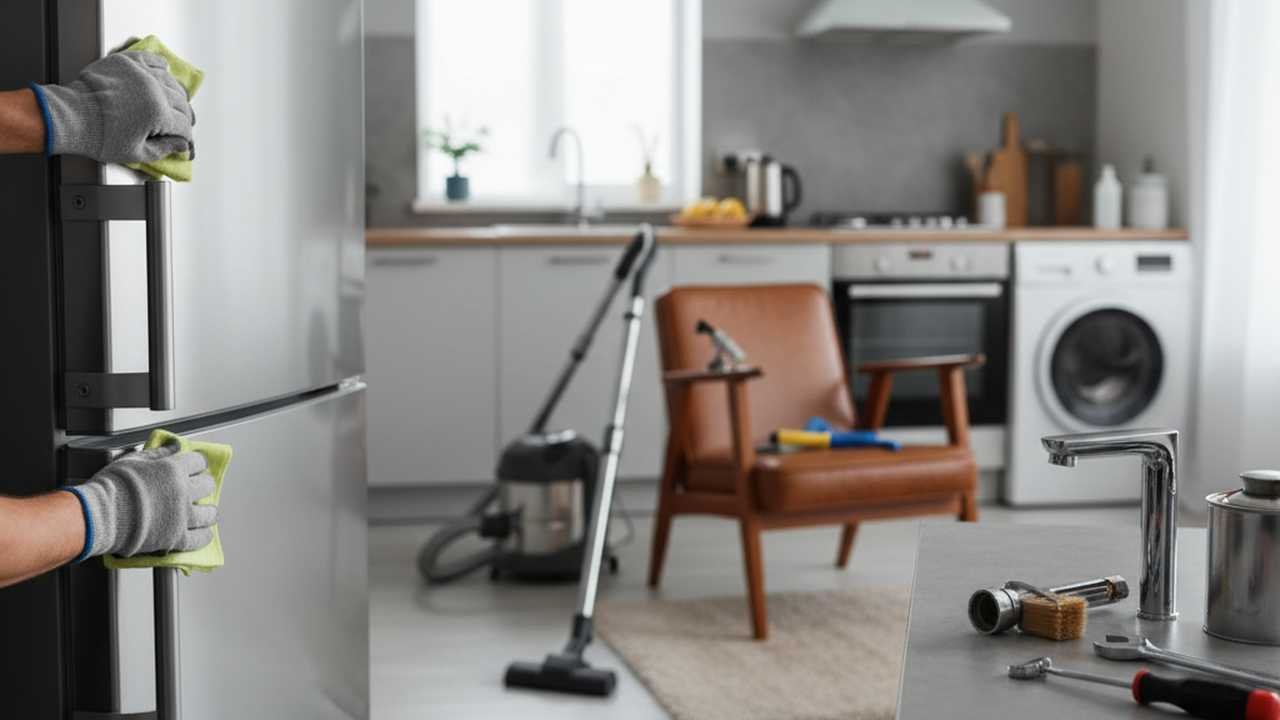
Imagine waking up to a home where every appliance hums smoothly, every fixture gleams with purpose, and every piece of furniture exudes timeless elegance. This isn’t a distant dream – it’s within your reach. But here’s the catch: without proactive care, this vision can slip away, leaving you with unexpected breakdowns, costly repairs, and the nagging question: “Why didn’t I act sooner?” Don’t wait for a crisis to realize the importance of maintenance. Act now to ensure your home’s essentials serve you faithfully for years to come.
1. The Silent Cost of Neglecting Appliance Maintenance
Every day, your appliances work tirelessly in the background, from the refrigerator preserving your food to the washing machine keeping your clothes fresh. Yet, many homeowners overlook the importance of regular maintenance. This oversight can lead to diminished efficiency, higher energy bills, and premature breakdowns. For instance, a refrigerator with dirty condenser coils can consume up to 30% more energy than a well-maintained one. Such inefficiencies not only strain your wallet but also shorten the appliance’s lifespan. Regularly cleaning these coils and checking door seals can make a significant difference in performance and longevity.
2. Fixtures: The Overlooked Pillars of Home Functionality
Fixtures, from faucets to lighting, are integral to daily life. However, their maintenance is often sidelined. A dripping faucet might seem trivial, but over time, it can waste gallons of water, leading to increased utility bills and potential water damage. Similarly, neglected lighting fixtures can dim, affecting ambiance and functionality. Regularly inspecting and servicing these fixtures ensures they operate efficiently, saving you money and preventing unexpected repairs. Simple actions like tightening loose connections, cleaning fixtures, and replacing worn-out components can prolong their life and maintain their effectiveness.
3. Furniture Care: Preserving Comfort and Aesthetics
Your furniture is more than just functional; it’s a reflection of your style and comfort. However, without proper care, even the most beautiful pieces can deteriorate. Regular dusting with a soft cloth prevents dirt buildup, which can damage finishes. For wooden furniture, applying a suitable polish can restore shine and protect surfaces. Upholstered items benefit from periodic vacuuming and prompt attention to spills to prevent stains. Additionally, rotating cushions and pillows ensures even wear, maintaining their shape and comfort. By investing time in furniture care, you not only preserve their appearance but also enhance their longevity.
4. The Role of Regular Inspections in Preventing Major Issues
Proactive inspections are key to identifying potential problems before they escalate. For appliances, this means checking hoses for wear, ensuring vents are clear, and listening for unusual noises. Fixtures should be examined for leaks, corrosion, or signs of wear. Furniture inspections involve checking for loose joints, sagging cushions, or fabric wear. Addressing these minor issues promptly can prevent costly repairs or replacements down the line. Regular inspections also provide peace of mind, knowing that your home’s essentials are functioning optimally and safely.
5. Seasonal Maintenance: Adapting to Environmental Changes
As seasons change, so do the demands on your home’s systems. In colder months, heating systems require attention to ensure they operate efficiently. This includes replacing filters, checking for leaks, and ensuring proper ventilation. In warmer months, air conditioning units should be serviced to maintain optimal performance. Fixtures like faucets and pipes should be insulated to prevent freezing. Furniture may need adjustments to adapt to humidity levels, preventing warping or cracking. By aligning maintenance tasks with seasonal changes, you ensure your home remains comfortable and efficient year-round.
6. The Financial Benefits of Preventative Maintenance
Investing in regular maintenance is not just about preserving the functionality of your home; it’s also a smart financial decision. Preventative care can extend the lifespan of appliances and fixtures, delaying the need for costly replacements. For example, a well-maintained HVAC system can last up to 15 years, while a neglected one may only last 10 years. Additionally, regular maintenance can improve energy efficiency, reducing utility bills. By addressing minor issues before they become major problems, you can save significant amounts of money over time, making maintenance a wise financial strategy.
7. DIY Maintenance vs. Professional Services: Finding the Right Balance
While many maintenance tasks can be handled DIY-style, certain situations require professional expertise. For instance, cleaning refrigerator coils or replacing air filters can be done by homeowners. However, tasks like repairing electrical fixtures, servicing major appliances, or addressing plumbing issues are best left to professionals. Attempting complex repairs without proper knowledge can lead to further damage or safety hazards. It’s essential to recognize when a task is within your skill set and when to call in a professional to ensure the job is done correctly and safely.
8. Creating a Maintenance Schedule: Staying Ahead of Potential Problems
Establishing a regular maintenance schedule is crucial for staying ahead of potential issues. This schedule should include daily, monthly, and annual tasks for appliances, fixtures, and furniture. Daily tasks might involve wiping down surfaces and checking for leaks. Monthly tasks could include cleaning filters and inspecting hoses. Annual tasks might involve servicing major appliances and checking structural integrity. By adhering to this schedule, you ensure that all aspects of your home receive the attention they need, preventing minor issues from becoming major problems and maintaining the efficiency and longevity of your home’s essentials.
