


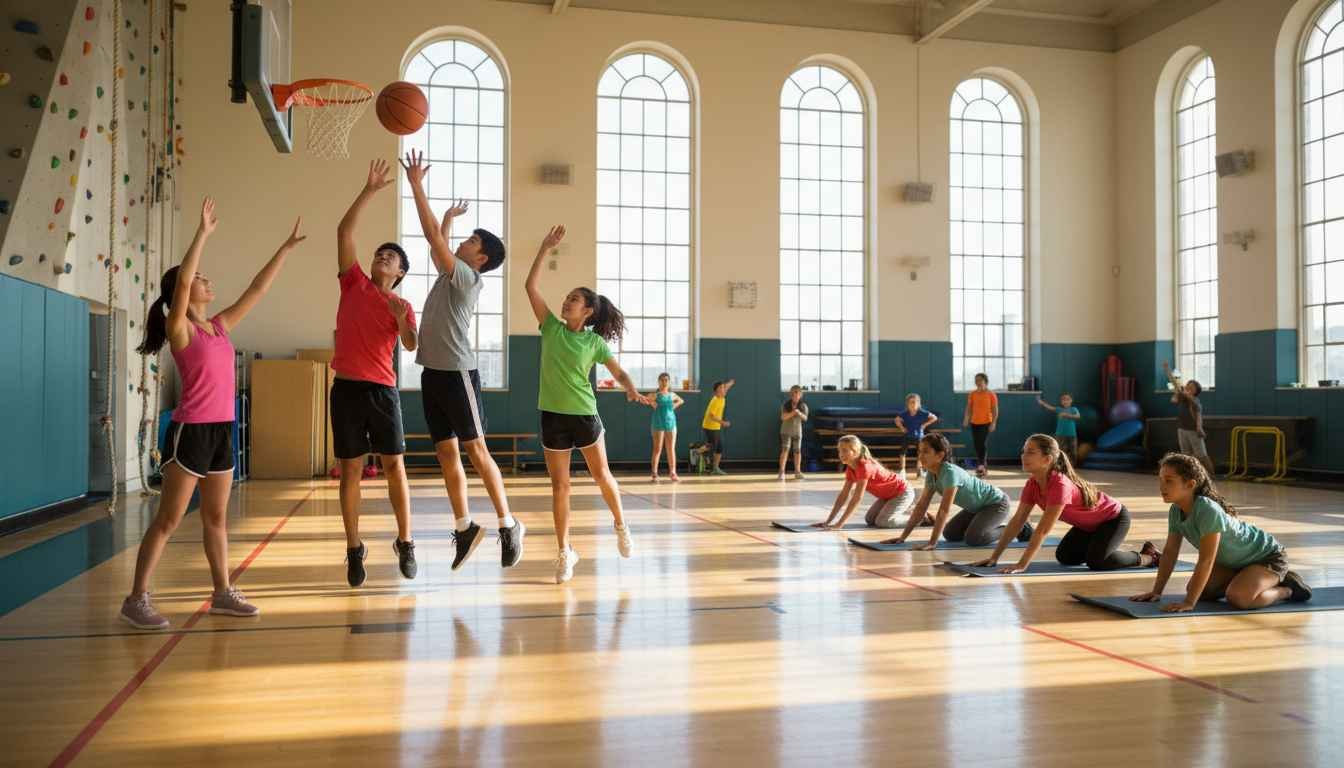
The gym lights flicker on, casting long shadows across the polished hardwood floor. A whistle cuts through the echoing shouts of students sprinting across the court, their sneakers squeaking rhythmically. One student pauses mid-drill, wiping sweat from her brow, eyes focused yet reflective. This moment is more than a routine exercise; it is a microcosm of the choices schools face in designing their physical education curriculum.
High school physical education (PE) has evolved significantly over the decades, shifting from purely athletic skill-building to a more holistic approach that includes mental wellness, lifelong fitness, and personal development. Understanding the differences between traditional and modern PE approaches can help educators create a program that resonates with all students.
Traditional Physical Education Curriculum
Historically, PE focused on competitive sports, structured drills, and standardized fitness assessments. Students were grouped by skill levels, and success often meant excelling in team sports such as basketball, soccer, or track and field. This approach emphasized discipline, teamwork, and physical endurance. Strengths included clear objectives, measurable outcomes, and preparation for athletic careers or higher-level competitive sports.
However, traditional PE can unintentionally exclude students who may not excel in competitive environments. It often prioritizes physical performance over mental well-being, leaving little room for mindfulness, stress management, or enjoyment of movement for its own sake. Students who are introverted, have physical limitations, or prefer individual sports may feel sidelined. Recognizing these gaps is essential for modern educators.
Modern Physical Education Curriculum
Contemporary high school PE programs are more inclusive, emphasizing physical literacy, emotional health, and lifelong fitness habits. Modern curricula incorporate activities such as yoga, Pilates, dance, personal fitness plans, and outdoor adventures alongside traditional sports. The focus shifts from performance alone to personal growth, goal setting, and overall well-being.
Students learn to manage stress, develop resilience, and cultivate a healthy relationship with their bodies. They are encouraged to explore different forms of movement, discover intrinsic motivation, and set individualized fitness goals. Programs often integrate technology, using apps and wearable devices to track progress and maintain engagement. Research shows that students in these environments report higher levels of enjoyment, reduced anxiety, and better long-term adherence to physical activity.
One powerful resource for educators seeking to enrich their PE lessons is ClickView. Its curated video library allows teachers to deliver engaging, contextually relevant content that complements physical activities and theoretical lessons. Integrating such tools can bridge the gap between knowledge and practice.
Comparative Analysis: Traditional vs Modern PE
When comparing traditional and modern PE, the differences extend beyond activities to philosophy and outcomes. Traditional PE emphasizes uniformity and achievement benchmarks, while modern PE prioritizes individual experience, choice, and well-being. Here is a comparative snapshot:
Structure and Focus
Traditional programs often follow a rigid schedule with fixed drills and standardized tests. Modern PE offers flexible modules where students select activities aligned with interests, balancing structured lessons with self-directed exploration.
Inclusion and Accessibility
Modern PE is inherently more inclusive. Activities can be adapted for varying fitness levels, physical abilities, and personal preferences, making it accessible for students who may have previously struggled to engage.
In today’s competitive business landscape, making informed decisions is crucial for growth and success. Companies are increasingly relying on data-driven insights to refine their strategies and enhance their overall performance. One of the leading tools in this realm is SEMrush, which offers a comprehensive suite of features that cater to various business needs. For those looking to leverage such powerful insights, it’s essential to explore the available options that suit your specific requirements. To learn more about how SEMrush can support your business goals, see plans and prices https://www.semrush.com/prices/ and discover the best fit for your team’s needs.
Measurement and Assessment
Traditional PE uses timed runs, push-up counts, and team performance as primary assessment tools. Modern programs blend quantitative measures with qualitative reflections, such as journaling progress, setting personal milestones, and self-assessing effort and enjoyment.
Mental and Emotional Benefits
Modern PE explicitly targets mental wellness through mindfulness exercises, stress-reduction techniques, and reflective practices. Traditional PE may indirectly benefit mental health through exercise, but its focus on competition can sometimes exacerbate anxiety or self-consciousness in certain students.
Checklist for Designing an Effective High School PE Curriculum
1. Identify core goals: balance physical fitness, mental well-being, and skill development.
2. Include diverse activities: team sports, individual fitness, and mindfulness practices.
3. Adapt for inclusivity: provide modifications for different skill levels and abilities.
4. Integrate technology: leverage video resources, fitness trackers, or apps to enhance engagement.
5. Encourage self-reflection: students track progress and set personal goals.
6. Evaluate and adjust: collect feedback to continually refine the curriculum.
Potential Drawbacks and Who Should Avoid This Approach
While modern PE offers many advantages, it requires careful planning and teacher training. Schools with limited resources or large class sizes may find individualized approaches challenging. Additionally, students who thrive on structured competition may feel less motivated in a highly flexible curriculum. Balancing traditional elements with modern inclusivity is often the most effective approach.
In essence, the high school physical education curriculum is not just a schedule of activities but a blueprint for developing healthy, resilient, and mindful individuals. By thoughtfully integrating traditional and modern elements, schools can nurture both the body and the mind, equipping students with habits that endure far beyond the classroom.
