


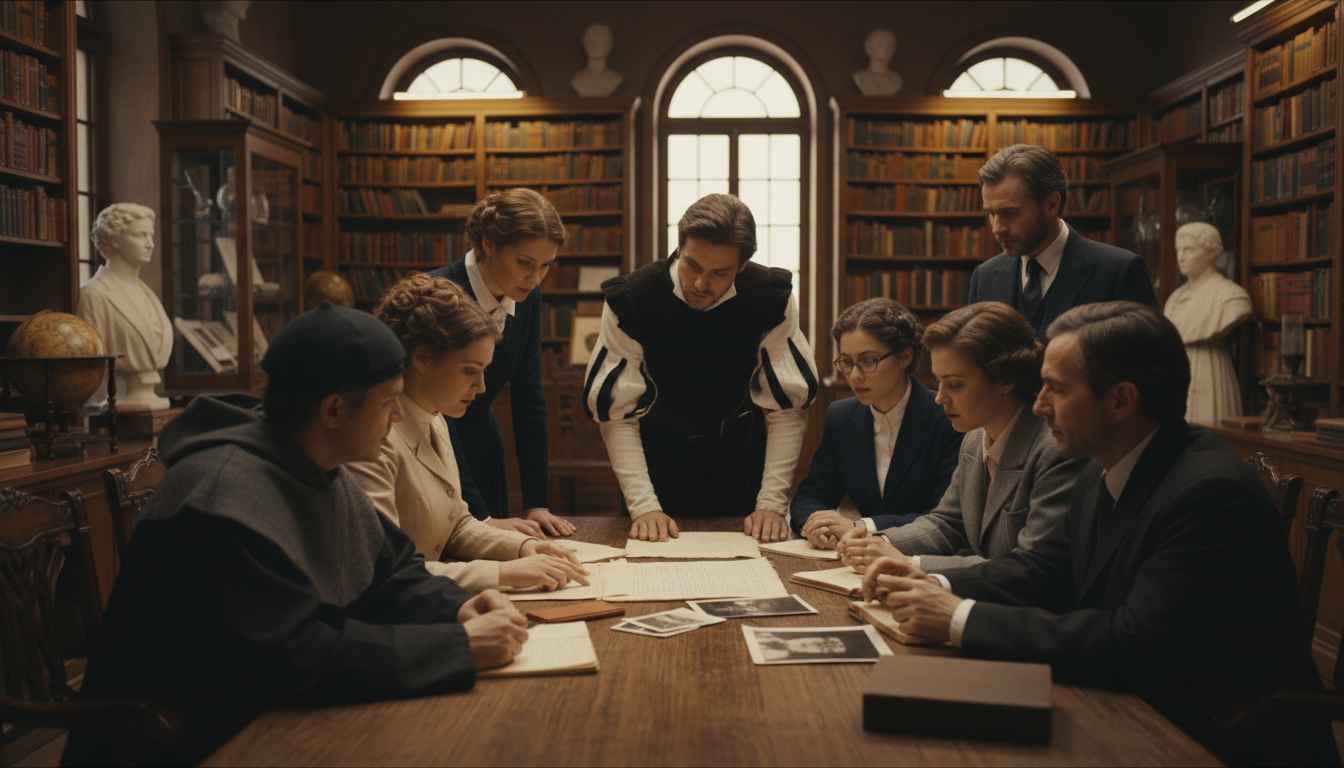
Keep it simple, stupid. I learned early on that the nonprofit world is not all heartwarming stories and flawless impact reports. Some organizations thrive while others collapse under poor planning or outright fraud. My journey with nonprofit history began when I stumbled across archives from the late 19th century, and it was a wake-up call about both the power and pitfalls of charitable work.
My first encounter was with the Red Cross, founded in 1881 by Clara Barton in the United States. The simplicity of its mission – aid the wounded and prevent suffering – belied the complex operational challenges it faced. Tracking donations, ensuring ethical use of funds, and maintaining public trust were monumental tasks. Barton’s persistence despite bureaucratic hurdles taught me that even the noblest cause requires meticulous management to avoid becoming a cautionary tale.
As I delved deeper, I discovered the evolution of organizations like the YMCA, established in 1844 in London, and the Salvation Army, dating to 1865. Both had religious underpinnings but offered services ranging from shelter for the homeless to community fitness programs. The common thread was a structured response to social need, yet the effectiveness depended heavily on leadership integrity and transparency. I could not help but remain skeptical; I had seen contemporary organizations with glossy websites and annual reports that barely reflected real impact.
The 20th century introduced new models. The March of Dimes, launched in 1938, focused on combating polio through widespread fundraising campaigns. Here, historical records reveal both success in medical breakthroughs and the occasional misstep in fund allocation. By then, I had learned to question every statistic and narrative. Not all money raised reached its intended beneficiaries, and that lesson has stayed with me.
In studying these historical non profit organizations, one realization became clear: longevity does not equal efficacy. Organizations can persist due to reputation, donor loyalty, or institutional inertia even when their operational practices lag behind contemporary standards. For instance, the historical records of certain orphanages and relief societies show decades of well-intentioned activity paired with administrative inefficiencies and occasional exploitation. Understanding this duality is crucial for anyone who wants to support charities without being naive.
My personal turning point came when I began volunteering for causes that were smaller but highly accountable. I compared them to larger, more established entities and noticed the stark contrast in transparency. This experience reinforced a lesson I had absorbed from studying history: scale does not guarantee ethical rigor. For those interested in organizations tackling complex medical issues, the Lewy Body Dementia Association exemplifies how smaller nonprofits can combine research advocacy with public education effectively, even while operating under tight budgets.
Decision Matrix: Evaluating Historical Non Profit Organizations
| If | Then |
|---|---|
| Leadership is transparent and accountable | Higher likelihood of sustained impact and donor trust |
| Funds are tracked and reported consistently | Reduced risk of mismanagement or misuse |
| Organization is well-established but bureaucratic | Potentially slower innovation despite reputation |
| Organization has a high public profile but lacks oversight | Increased risk of inefficiency or misaligned priorities |
| Smaller nonprofit with focused mission | Often higher adaptability and measurable outcomes |
Potential Drawbacks
Even historical non profits with strong reputations face drawbacks. Legacy organizations may be resistant to change, struggle to adopt modern technologies, or retain outdated policies. Additionally, well-documented success does not guarantee future effectiveness. Donors and volunteers must scrutinize annual reports, audit histories, and leadership practices to avoid inadvertently supporting ineffective or even unethical operations. A healthy skepticism is not cynicism; it is a survival strategy informed by history.
Personal Reflections and Lessons Learned
Looking back, I recognize that my cynicism was shaped by repeated exposure to overpromising and underdelivering organizations. Yet, the historical perspective revealed that non profits can achieve extraordinary outcomes when mission aligns with execution. I have since become selective in my support, valuing transparency, measurable impact, and ethical governance above brand recognition. The historical record serves as both a cautionary tale and a source of inspiration, reminding me that impactful charitable work is possible but requires scrutiny, commitment, and an informed perspective.
Historical non profit organizations offer a roadmap for modern philanthropic decision-making. Their successes demonstrate what is possible, while their failures underscore the importance of governance, accountability, and critical evaluation. By studying their histories, potential donors and volunteers can avoid common pitfalls and make meaningful contributions to causes that genuinely make a difference.
