


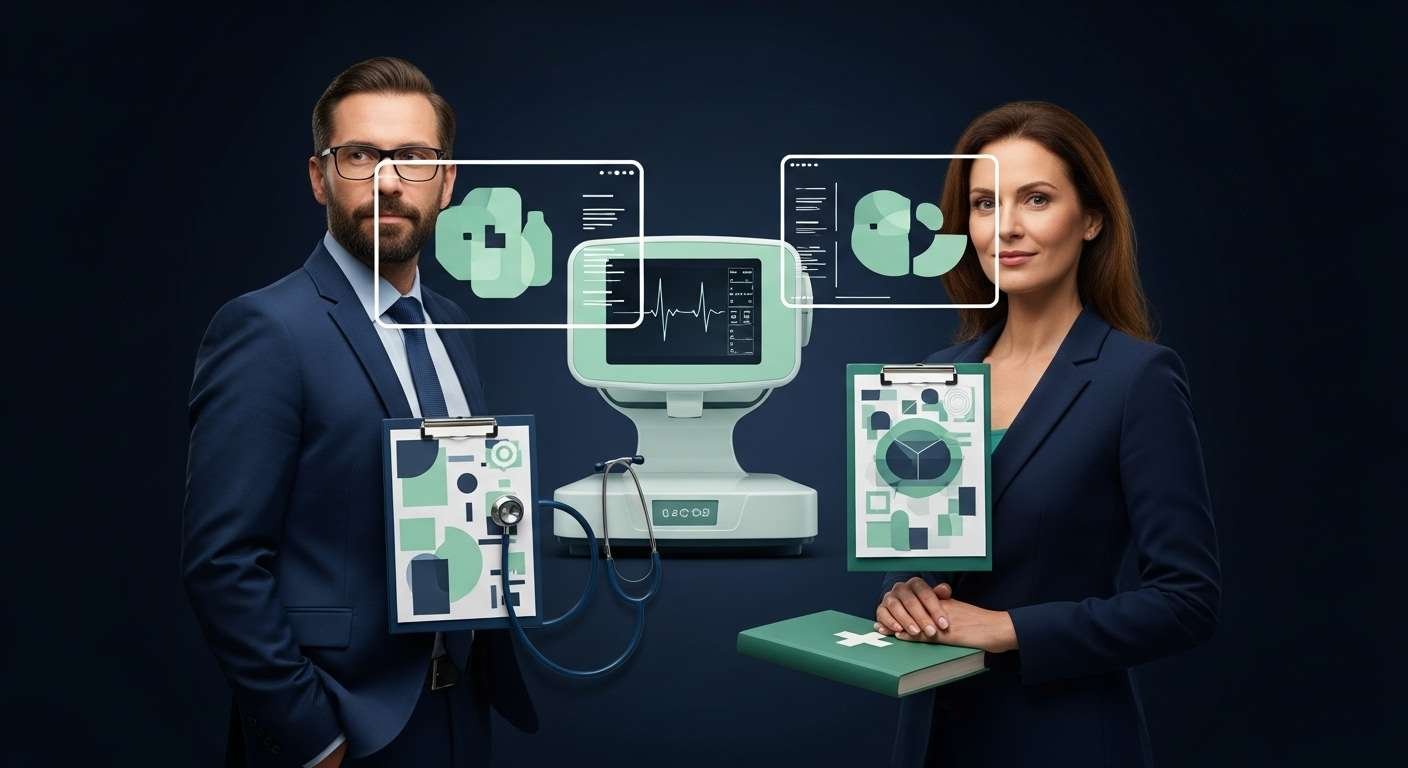
Imagine a world where illness is not a sudden, devastating blow but a preventable consequence of inaction. Communities hold the power to transform this vision into reality by implementing effective health screening programs. These initiatives are not mere medical procedures; they are lifelines that can detect silent killers before they strike, offering a chance to intervene, treat, and save lives. The urgency is palpable, the stakes are high, and the opportunity to act is now.
The Crucial Role of Health Screening in Community Well-being
Health screening is more than a routine check-up; it’s a proactive approach to identifying health issues before they become life-threatening. In communities where access to healthcare is limited, these programs serve as a critical bridge, connecting individuals to necessary medical services. They can detect conditions like high blood pressure, diabetes, and certain cancers early, allowing for timely intervention and better outcomes. For instance, a community health fair offering free screenings can uncover undiagnosed hypertension in individuals who might otherwise never seek medical attention. The impact is profound, not just on individual health but on the community’s overall well-being.
Moreover, health screenings can alleviate the burden on local healthcare systems. By catching diseases early, they reduce the need for emergency care and long-term treatments, which are often more costly and less effective. This preventive approach leads to healthier populations and more sustainable healthcare practices. Communities that invest in regular health screenings often see a decline in chronic disease prevalence and an improvement in quality of life for their residents.
Designing Accessible and Inclusive Screening Programs
Accessibility is the cornerstone of any successful health screening program. For screenings to be effective, they must be within reach of all community members, regardless of socioeconomic status, location, or mobility. This means offering services in community centers, schools, and even door-to-door initiatives. For example, in rural areas, mobile health units can travel to remote locations, providing screenings to populations that might otherwise be overlooked. These mobile units are equipped with necessary medical tools and staffed by trained professionals who can conduct various tests and offer immediate consultations.
Inclusivity goes hand-in-hand with accessibility. Programs should be designed to cater to diverse populations, including the elderly, non-English speakers, and individuals with disabilities. Providing materials in multiple languages, ensuring physical accessibility, and offering services that accommodate different cultural practices are essential steps in creating an inclusive environment. When everyone feels welcome and understood, participation rates soar, and the community’s health improves collectively.
Leveraging Technology to Enhance Screening Efficiency
In today’s digital age, technology can significantly enhance the effectiveness of health screening programs. Electronic health records (EHR) allow for the efficient collection and analysis of screening data, helping to identify trends and target interventions more accurately. For instance, by analyzing EHR data, healthcare providers can pinpoint communities with higher incidences of certain conditions and tailor screening efforts accordingly. This data-driven approach ensures that resources are allocated where they are most needed, maximizing the impact of each screening initiative.
Additionally, telemedicine and mobile health applications can extend the reach of screening programs. Virtual consultations and remote monitoring enable individuals in underserved areas to participate in screenings without the need to travel long distances. These technological advancements break down barriers to access, making health screenings more convenient and widespread. As technology continues to evolve, its integration into health screening programs will only increase, offering new opportunities to improve community health outcomes.
Engaging the Community Through Education and Awareness
Education is a powerful tool in the fight against preventable diseases. By educating community members about the importance of regular health screenings, individuals are more likely to participate and take charge of their health. Workshops, informational sessions, and social media campaigns can disseminate knowledge about various health conditions, risk factors, and the benefits of early detection. When people understand the value of screenings, they are more inclined to take proactive steps toward maintaining their health.
Community leaders play a pivotal role in this educational effort. Trusted figures such as local clergy, teachers, and activists can help spread the message and encourage participation. Their involvement lends credibility to the programs and fosters a sense of trust within the community. As more individuals become informed and engaged, the collective health of the community improves, creating a ripple effect that extends beyond the initial participants.
Collaborating with Local Organizations and Stakeholders
Successful health screening programs are rarely the result of isolated efforts. Collaboration with local organizations, businesses, and stakeholders is essential to create a comprehensive and sustainable initiative. Partnerships with schools, churches, and non-profits can provide venues, volunteers, and additional resources to support screening events. Local businesses can sponsor screenings or offer incentives to encourage participation, such as discounts or free services.
These collaborations also help to build a network of support that extends beyond the screening itself. By working together, communities can create a continuum of care that includes follow-up services, educational programs, and ongoing health initiatives. This holistic approach ensures that individuals receive the care they need and are supported throughout their health journey.
Evaluating and Adapting Screening Programs for Continuous Improvement
Implementing a health screening program is not a one-time event but an ongoing process that requires regular evaluation and adaptation. Collecting feedback from participants, analyzing health outcomes, and assessing the efficiency of the program are crucial steps in identifying areas for improvement. For example, if a particular screening site experiences low turnout, organizers might consider changing the location, time, or format to better suit the community’s needs.
Continuous improvement also involves staying informed about new health risks and emerging diseases. As the landscape of public health evolves, screening programs must adapt to address these changes. This proactive approach ensures that communities remain resilient and capable of responding to new health challenges effectively.
Securing Funding and Resources for Sustainable Programs
Financial constraints are often a significant barrier to the implementation and sustainability of health screening programs. Securing funding through grants, donations, and partnerships is essential to ensure that these initiatives can continue to serve the community. For instance, the Williams Education Fund has supported various community health initiatives, demonstrating the impact that targeted funding can have on public health efforts. By investing in health screening programs, donors contribute to the long-term well-being of the community, creating a healthier and more prosperous environment for all.
Additionally, leveraging existing resources can help reduce costs and increase efficiency. Collaborating with local healthcare providers, universities, and public health agencies can provide access to medical supplies, personnel, and expertise. These partnerships maximize the use of available resources, ensuring that funds are directed toward the most impactful aspects of the program.
Building a Culture of Health and Prevention
Ultimately, the goal of health screening programs is to foster a culture of health and prevention within the community. When individuals prioritize their health and engage in regular screenings, they set an example for others to follow. This cultural shift can lead to widespread changes in health behaviors, such as increased physical activity, healthier eating habits, and better management of chronic conditions.
Community-wide health initiatives, such as wellness challenges, fitness programs, and nutrition workshops, can complement screening efforts and reinforce the message of prevention. By creating an environment that supports healthy choices, communities can reduce the prevalence of preventable diseases and improve the overall quality of life for their residents.
If you are interested in how health guidelines impact education systems, exploring the ucr education major can provide valuable insights into community safety and wellness initiatives.
