

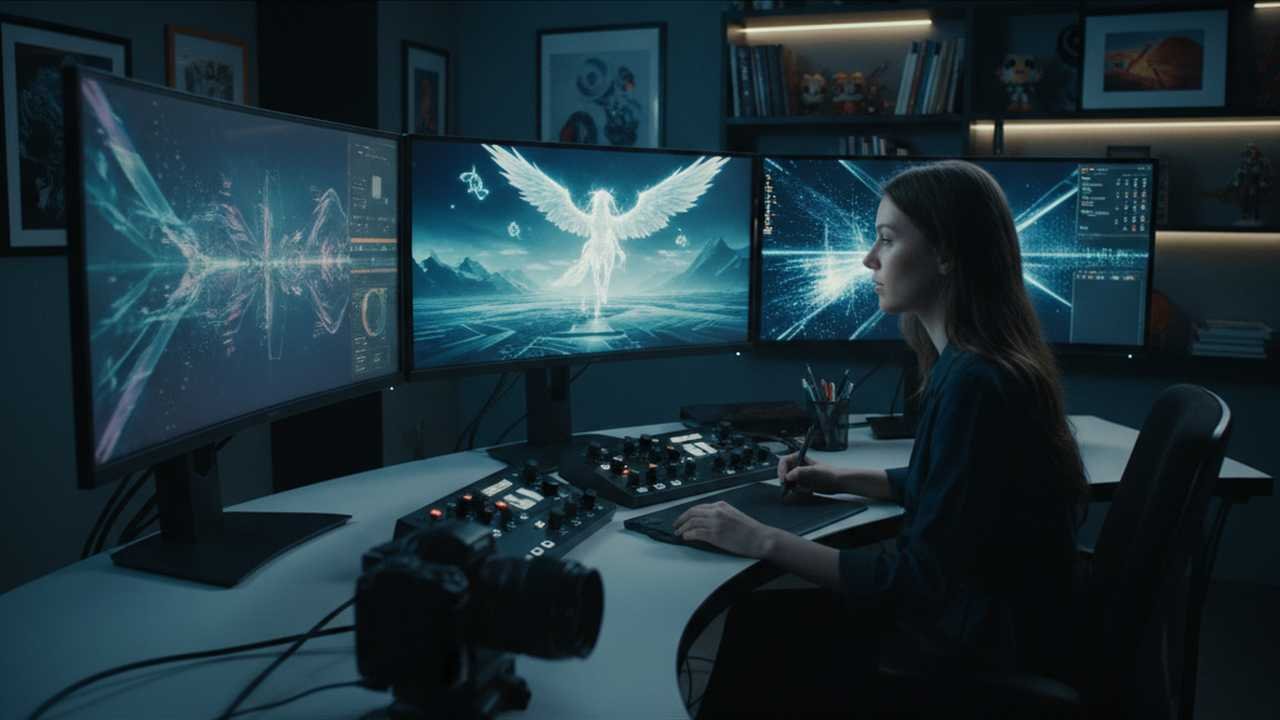
In the ever-evolving world of media production, motion graphics have emerged as a powerful tool to captivate audiences, convey complex information, and enhance storytelling. Whether you’re aiming to create compelling advertisements, engaging social media content, or immersive cinematic experiences, mastering motion graphics is essential. This article delves into the steps and strategies to build expertise in motion graphics, focusing on creating stunning visual effects that resonate with viewers.
Understanding the Fundamentals of Motion Graphics
Before diving into the intricacies of motion graphics, it’s crucial to grasp the foundational principles that underpin this art form. Motion graphics combine graphic design principles with animation techniques to create moving visuals that communicate messages effectively. Key elements include timing, spacing, easing, and anticipation. Understanding these principles allows designers to craft animations that are not only visually appealing but also convey the intended message with clarity and impact.
Moreover, proficiency in industry-standard software such as Adobe After Effects, Cinema 4D, and Blender is indispensable. These tools offer a plethora of features that enable designers to bring their creative visions to life. For instance, After Effects provides robust capabilities for compositing, keyframing, and integrating visual effects, while Cinema 4D excels in 3D modeling and animation. Familiarity with these tools enhances a designer’s ability to execute complex motion graphics projects efficiently.
Developing a Creative Workflow
Establishing a streamlined workflow is vital for producing high-quality motion graphics consistently. A typical workflow begins with conceptualization, where the designer defines the project’s objectives and target audience. This is followed by storyboarding, which serves as a visual blueprint for the animation. Storyboards help in planning the sequence of events, timing, and transitions, ensuring a coherent narrative flow.
Next, the design phase involves creating the visual elements, including backgrounds, characters, and typography. These assets are then imported into animation software, where the animator brings them to life using keyframes and motion paths. Throughout this process, attention to detail is paramount. Subtle adjustments in timing and movement can significantly impact the overall effectiveness of the animation.
Finally, the rendering and post-production stages involve refining the animation, adding sound effects and music, and ensuring the final product meets the desired specifications. A well-defined workflow not only enhances productivity but also ensures that the creative vision is realized accurately and efficiently.
Incorporating Visual Effects to Enhance Motion Graphics
Visual effects (VFX) play a pivotal role in elevating motion graphics, adding depth and realism to animations. By integrating VFX, designers can simulate natural phenomena like fire, smoke, and water, or create fantastical elements that captivate the audience’s imagination. Techniques such as particle systems, simulations, and compositing are commonly employed to achieve these effects.
For example, adding a glowing light trail to a moving object can create a sense of speed and dynamism. Similarly, incorporating a lens flare effect can simulate the interaction of light with a camera lens, adding a cinematic quality to the animation. Mastery of VFX techniques allows motion graphic designers to push the boundaries of creativity, producing animations that are both visually stunning and immersive.
Understanding the Role of Typography in Motion Graphics
Typography is a fundamental aspect of motion graphics, serving as both a visual element and a means of communication. The choice of fonts, their arrangement, and the timing of their appearance can significantly influence the viewer’s perception of the message. In motion graphics, typography is not static; it moves, transforms, and interacts with other elements, adding a dynamic layer to the narrative.
Effective use of typography involves selecting fonts that align with the project’s tone and purpose. For instance, a bold, sans-serif font may convey strength and modernity, while a cursive script might evoke elegance and sophistication. Additionally, animating text to appear in sync with audio cues or visual transitions can enhance the overall impact of the animation, ensuring that the message is conveyed clearly and memorably.
Building a Strong Portfolio
A compelling portfolio is essential for showcasing your skills and attracting potential clients or employers. Your portfolio should demonstrate a range of projects that highlight your versatility and expertise in motion graphics. Include a variety of work, such as explainer videos, title sequences, advertisements, and social media content, to showcase your ability to adapt to different styles and requirements.
Each project in your portfolio should be accompanied by a brief description outlining the objectives, your role, and the tools and techniques used. This provides context and insight into your creative process. Additionally, consider creating personal projects that allow you to experiment with new ideas and techniques, further expanding your skill set and demonstrating your initiative and passion for motion graphics.
Networking and Continuous Learning
Building expertise in motion graphics requires ongoing learning and networking. The field is constantly evolving, with new tools, techniques, and trends emerging regularly. Staying abreast of these developments is crucial for maintaining a competitive edge. Participate in online forums, attend industry conferences, and engage with other professionals to exchange knowledge and experiences.
Online platforms offer a wealth of resources for learning and development. Websites like Motionographer, School of Motion, and Greyscalegorilla provide tutorials, articles, and courses that cover various aspects of motion graphics. Additionally, following industry leaders on social media platforms can provide inspiration and insights into current trends and best practices.
Understanding the Impact of Motion Graphics in Media
Motion graphics have become an integral part of modern media, influencing how information is presented and consumed. From television broadcasts to online streaming platforms, motion graphics enhance storytelling by providing visual context, emphasizing key points, and maintaining viewer engagement. They are particularly effective in conveying complex information in a digestible and entertaining format.
Incorporating motion graphics into media content can also improve accessibility. For instance, animated infographics can simplify statistical data, making it more comprehensible for a broader audience. Similarly, motion graphics can aid in language learning by providing visual cues that reinforce verbal information. The versatility and effectiveness of motion graphics make them a valuable tool in the media industry.
Monetizing Your Motion Graphics Skills
Turning your expertise in motion graphics into a sustainable income stream involves identifying opportunities to monetize your skills. Freelancing platforms like Upwork, Fiverr, and Behance offer avenues to connect with clients seeking motion graphic services. Building a strong online presence through a personal website or social media can also attract potential clients and showcase your work to a global audience.
Additionally, consider creating and selling motion graphics templates or assets. Platforms like Envato Market and Motion Array allow creators to sell their work, providing a passive income stream. By diversifying your income sources and continuously honing your skills, you can build a successful career in motion graphics.
Conclusion: Embracing the Future of Motion Graphics
Building expertise in motion graphics is a dynamic and rewarding journey that combines creativity, technical skill, and continuous learning. By understanding the fundamentals, developing a structured workflow, incorporating visual effects, mastering typography, building a strong portfolio, networking, and exploring monetization opportunities, you can position yourself as a proficient motion graphic designer capable of creating stunning visual effects for various media platforms.
As the demand for engaging and informative content continues to rise, the role of motion graphics in media production becomes increasingly significant. Embrace the challenges and opportunities that come with mastering motion graphics, and embark on a path that leads to creative fulfillment and professional success.
To learn more about enhancing your skills in video editing, consider how the principles of physical education gymnastics can inspire creativity and precision in your projects.
